

Cervical cancer continues to claim the highest number of lives among cancer patients in the Busoga sub-region, according to Rays of Hope Hospice Jinja, a non-profit palliative care and cancer support organization.
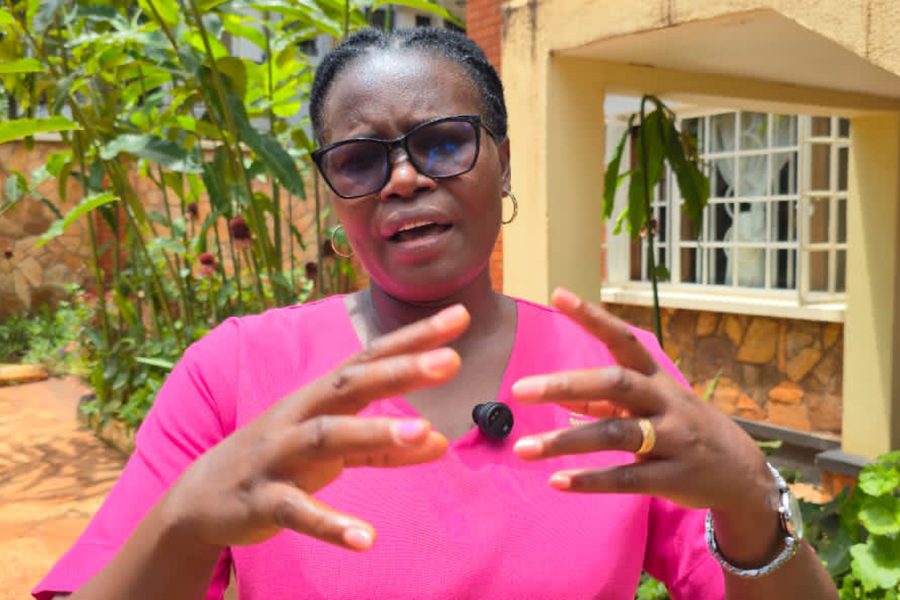
Ms Sylvia Nakami, Executive Director of the hospice, said the trend is deeply concerning, with a significant proportion of patients under their care diagnosed with the disease.
The hospice currently manages approximately 800 clients monthly across the region, of whom about 41 percent are battling cervical cancer, while 25 to 29 percent have breast cancer.
To combat the rising burden, the organization has intensified screening programs to detect cervical cancer early, significantly improving survival prospects.
“We carry out routine screening using the VIA method, and in communities, we employ HPV DNA testing to examine the cervix. Early lesions are treated on site, and patients with developing cancer are referred for further investigations,” Nakami explained.
She urged women aged 25 and above, especially those who are sexually active, to regularly undergo cervical and breast cancer screening, and encouraged men over 45 to participate in prostate cancer screening.
“Early detection is critical. For women, changes in the body that could indicate cervical cancer can start from age 25. Men should begin prostate checks at 45,” Nakami said.
While the hospice supports patients with a variety of cancers, screening services are currently limited to cervical, breast, and prostate cancers due to technology and resource constraints.
Patients with other cancers are referred to specialized facilities for procedures such as endoscopy or colonoscopy.
The high prevalence of cervical cancer in Busoga has prompted Rays of Hope Hospice Jinja to strengthen preventive measures, including a mass vaccination campaign targeting teenagers against the Human Papillomavirus (HPV), the primary cause of cervical cancer.
“HPV vaccination enables the body to fight the virus and is most effective when given to girls before they become sexually active,” Nakami said, calling on parents, schools, and community leaders to support the initiative.
Since the program’s launch in 2023, more than 32,000 girls across Busoga districts have been vaccinated, despite initial resistance from parents and teachers.
Health experts note that early HPV vaccination, combined with regular screening and prompt treatment, can significantly reduce cervical cancer incidence and mortality.
The planned vaccination initiative by Rays of Hope Hospice Jinja is expected to strengthen ongoing efforts to combat cervical cancer and raise prevention awareness across the sub-region.
